
The group
menu
altlogo
Surroundings 5
Surroundings 6
Surroundings 7
Surroundings 8

Surroundings

Are you curious to know more about what our territory has to offer? Do you want to give yourself a day or a moment to get to know something particular , typical or known in the world?

Here you will find all the useful information to book your excursion.

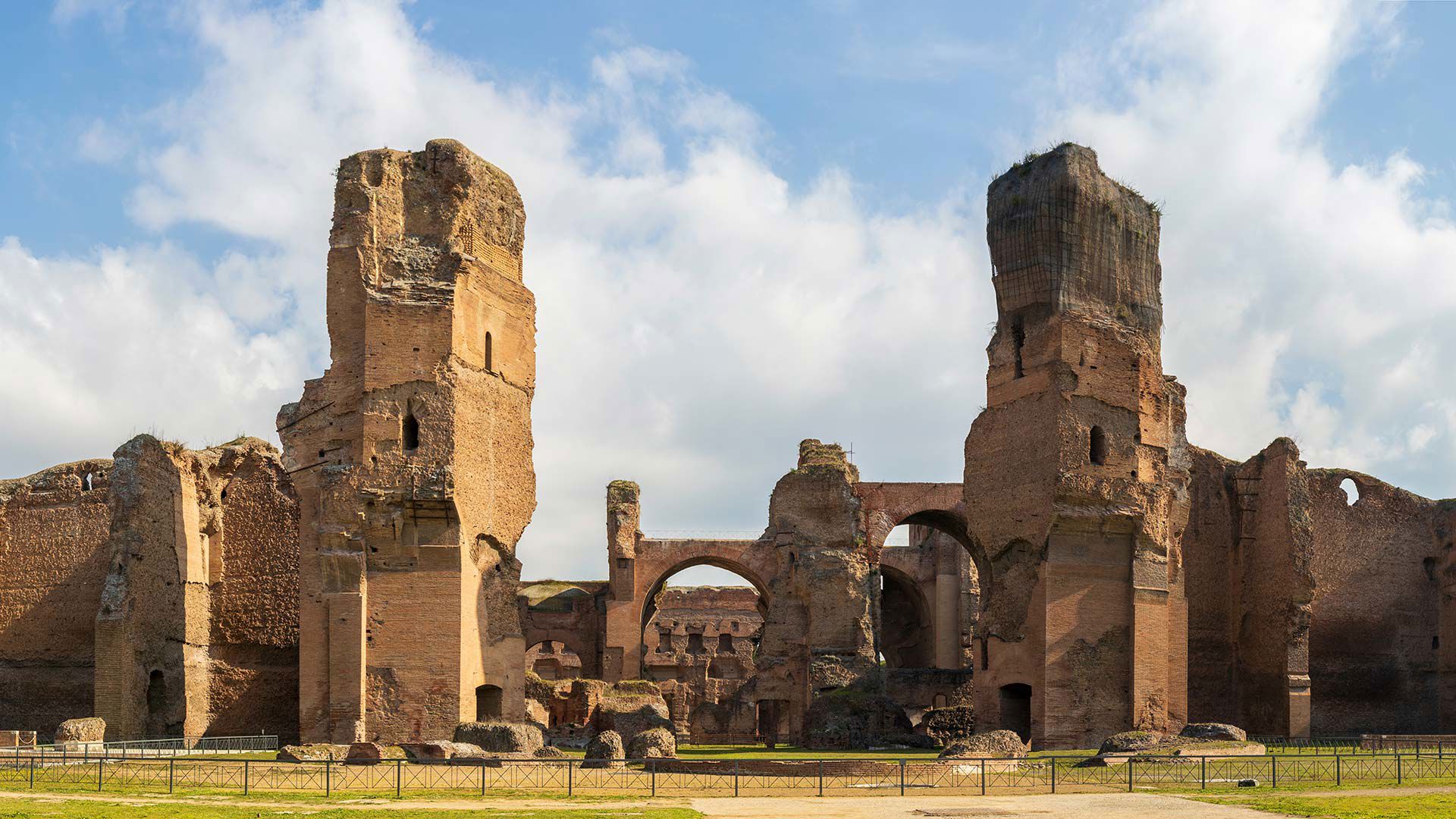
Baths of Caracalla

The Thermae Antonianae, known as the Baths of Caracalla because they were built at his behest, are one of the largest bath complexes of antiquity.

They were built between 212 and 216 AD and were restored several times over the years.

The baths featured underground chambers where all the service activities necessary for managing the complex took place; it is in one of these chambers that you can admire Rome’s largest Mithraeum, which is normally closed to the public and opened only on special occasions.

Surroundings 8

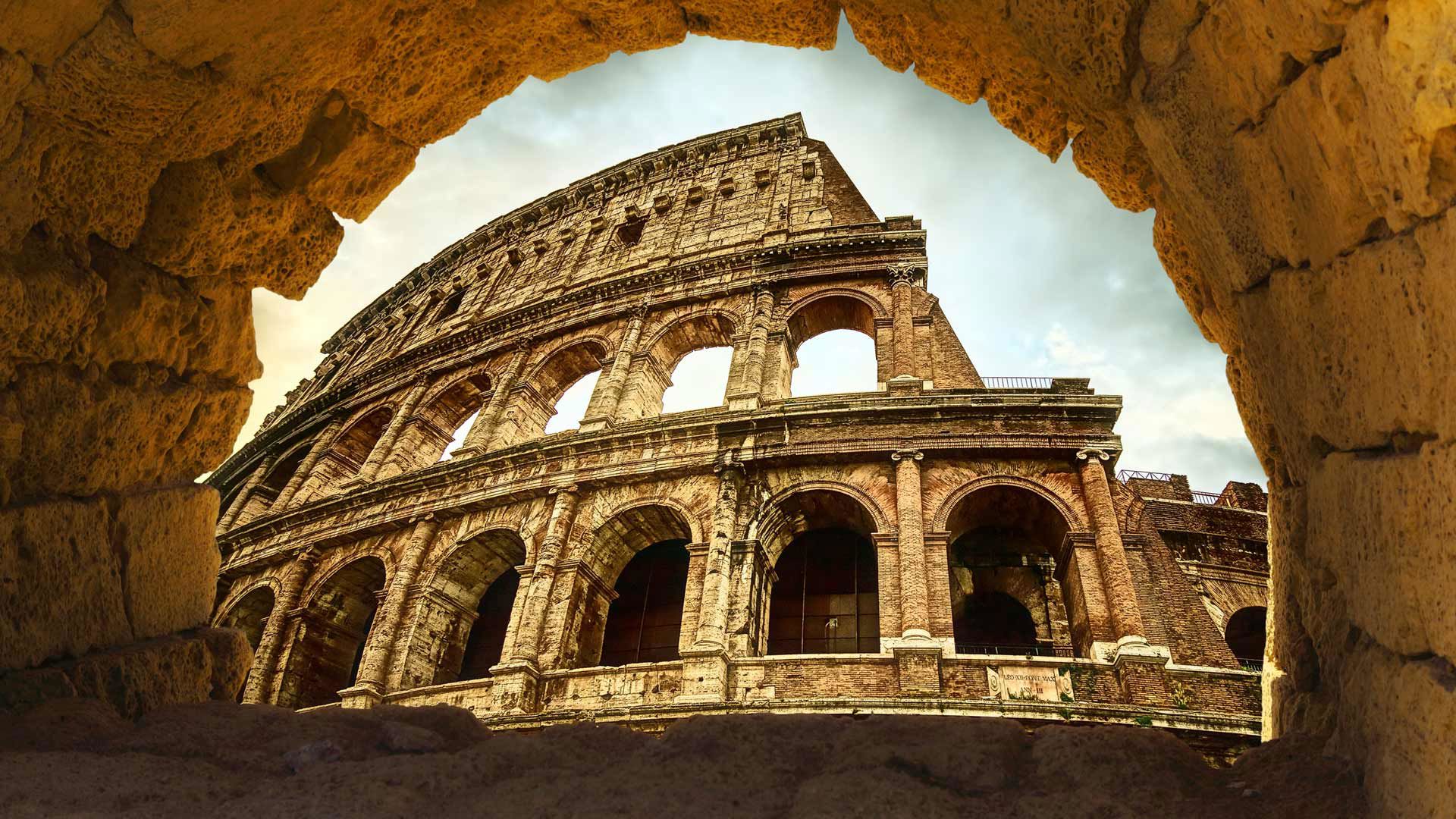
Colosseum

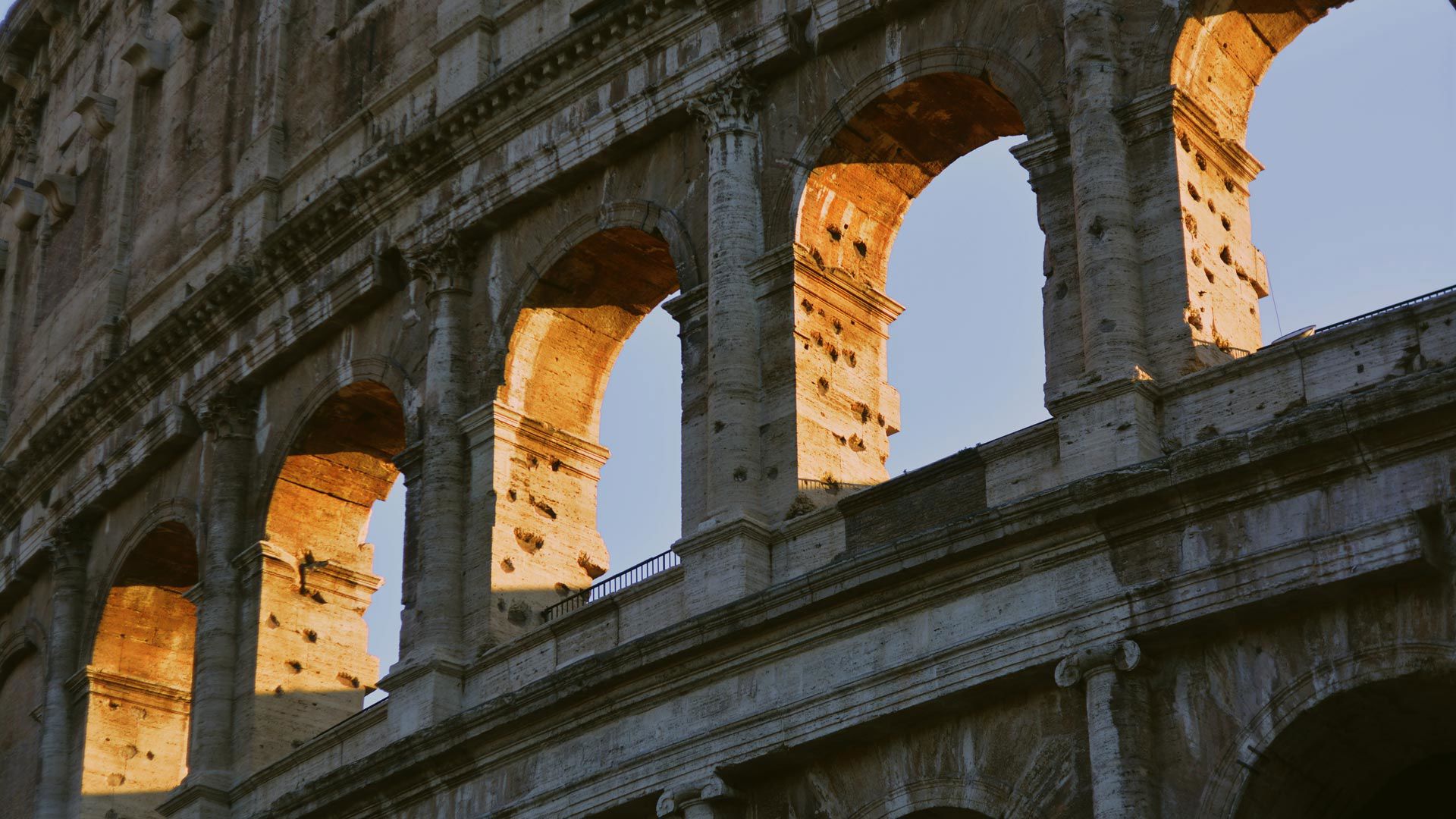
The Colosseum, originally known as the Amphitheatrum Flavium, is the largest amphitheater in the world.
Construction began in 70 AD, and it was inaugurated in 80 AD.

In ancient times, it was used to host gladiator shows, plays based on classical mythology, and other public events.
Today, it is a symbol of the Eternal City and one of its major tourist attractions. In 1980, it was added to the UNESCO World Heritage List.

Surroundings 8

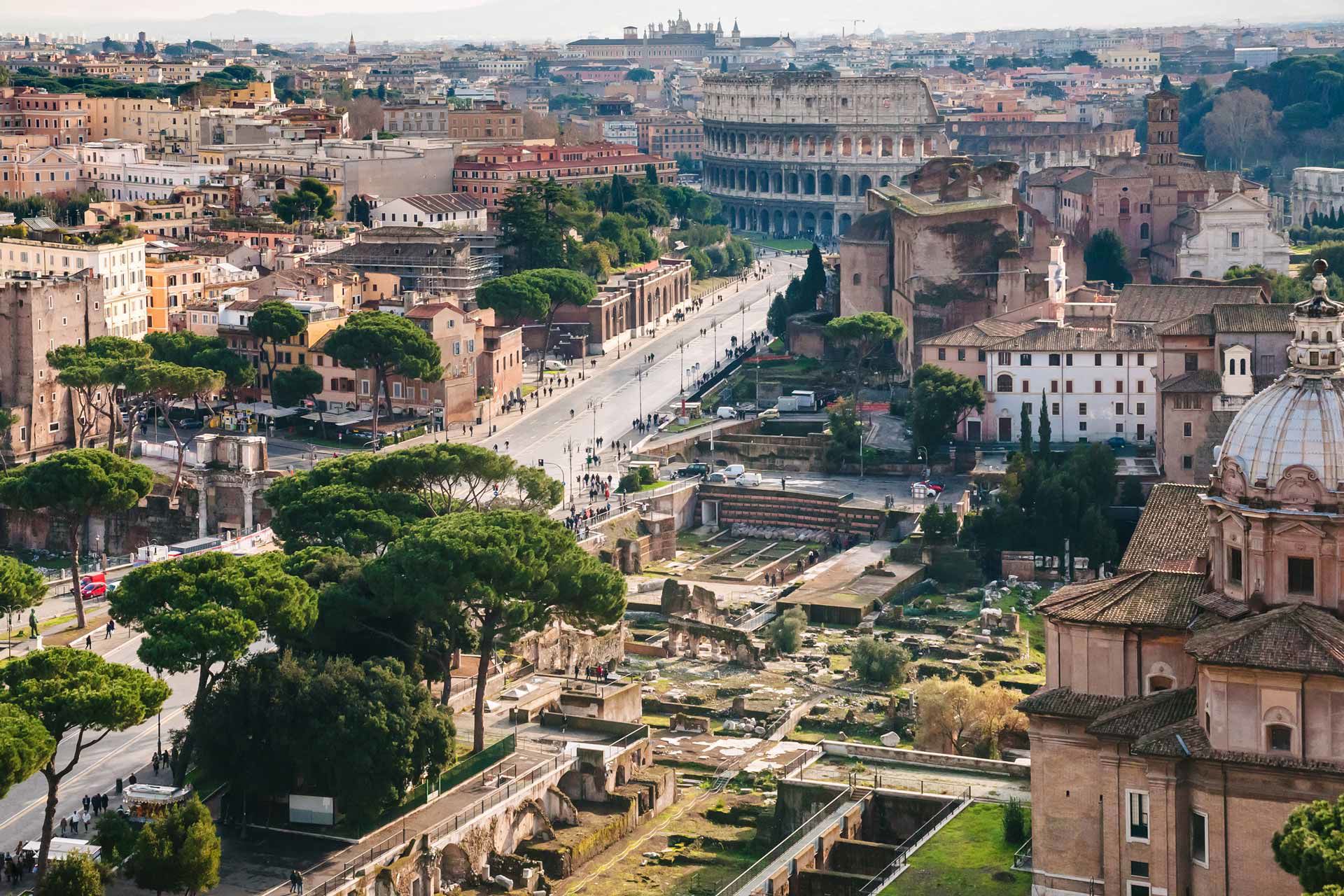
Fori Imperiali

Via dei Fori Imperiali is one of the most beautiful and spectacular streets in Rome; it consists of a series of monumental squares built between 46 BC and 113 AD in the heart of the city.

The first structure you encounter is the Forum of Caesar, followed by the Forum of Augustus. Between the two stands the Temple of Peace, dedicated to Emperor Vespasian. The Forum of Nerva was built in 96 AD, and the last in chronological order is the Forum of Trajan, along with the Trajan Markets complex. Today, the archaeological area of the forums can be visited by following a walkway on the site.

Surroundings 8

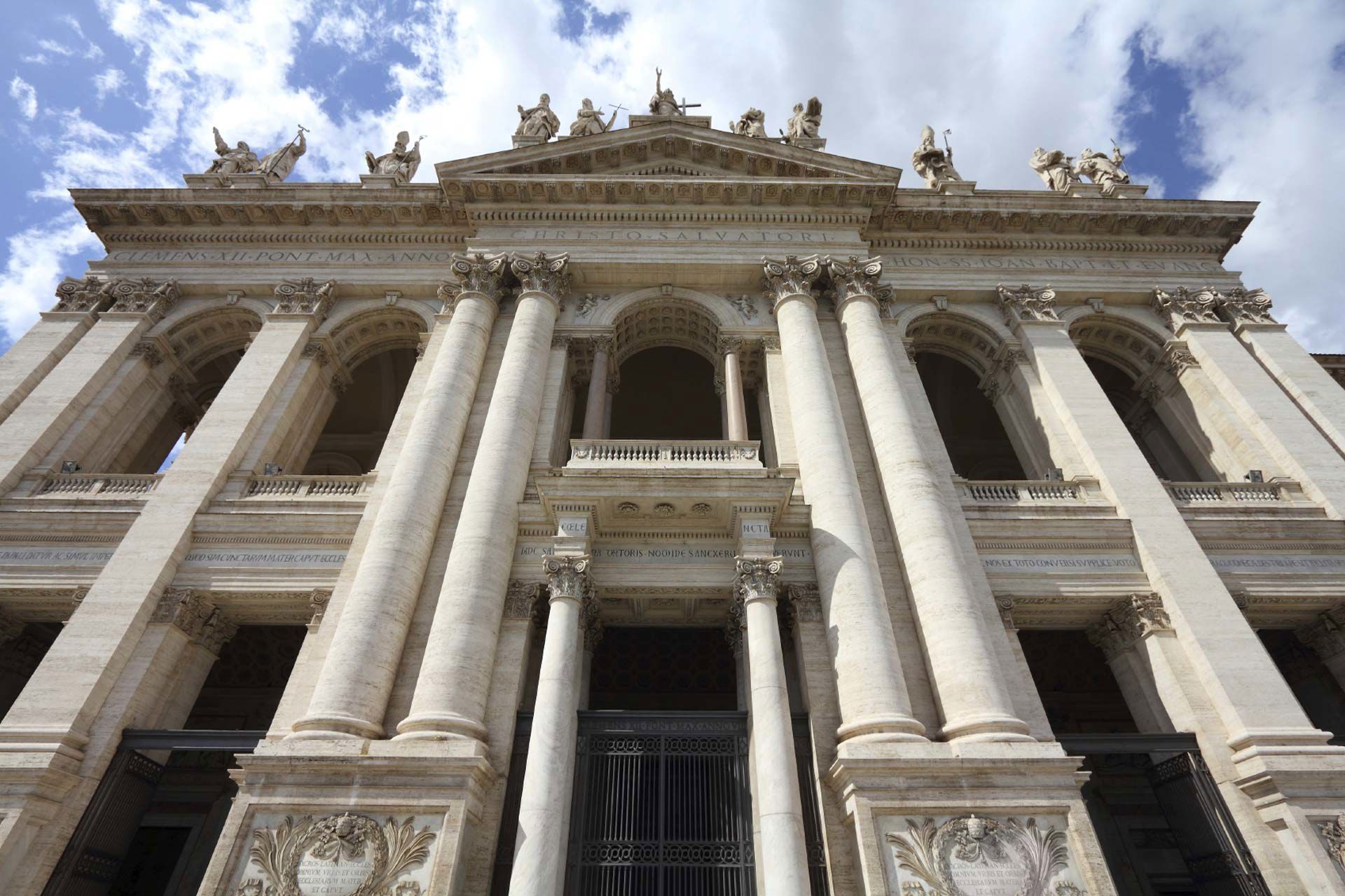
Basilica di San Giovanni

The Basilica of St. John Lateran, also known as the Cathedral of Rome, is the mother church of the Diocese of Rome. Located on the Caelian Hill, it is the first and oldest of the four major papal basilicas. It was built around 314 AD by Constantine and consecrated in 324 AD; over the years, it has been repeatedly damaged and restored.

Surroundings 8

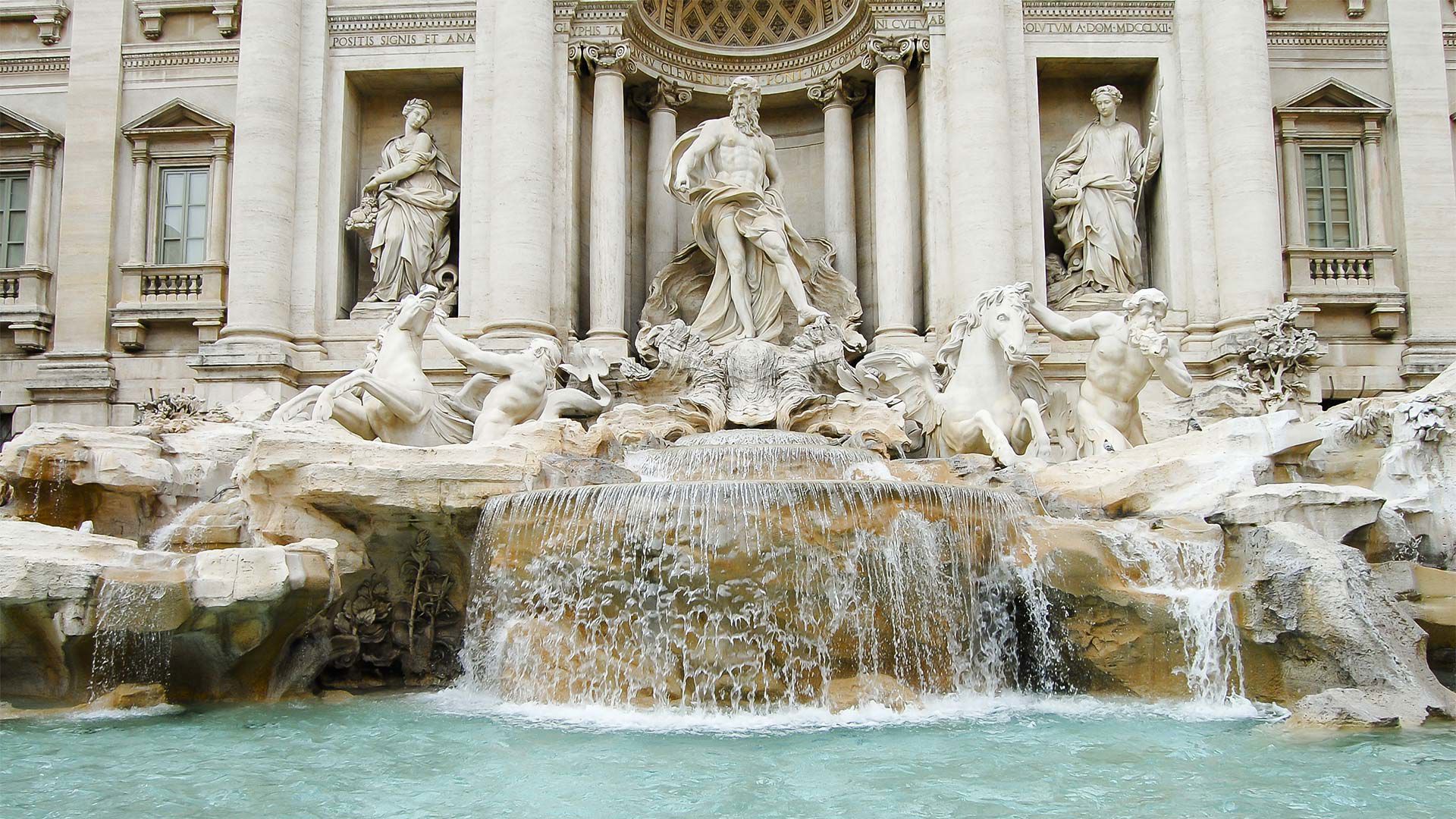
Trevi Fountain

The Trevi Fountain is the largest and most famous fountain in Rome. Built against the façade of Palazzo Poli by architect Nicola Salvi, construction began in 1732 and it was inaugurated in 1762.

The fountain features a basin with a large rock formation, at the center of which stands the statue of Oceanus driving a chariot pulled by horses, which are held back by two tritons. On the right is the statue of the Virgin Mary, and on the left, that of Agrippa.

Today, it is one of the most popular tourist attractions. Before leaving, be sure to toss a coin into it!

Surroundings 8

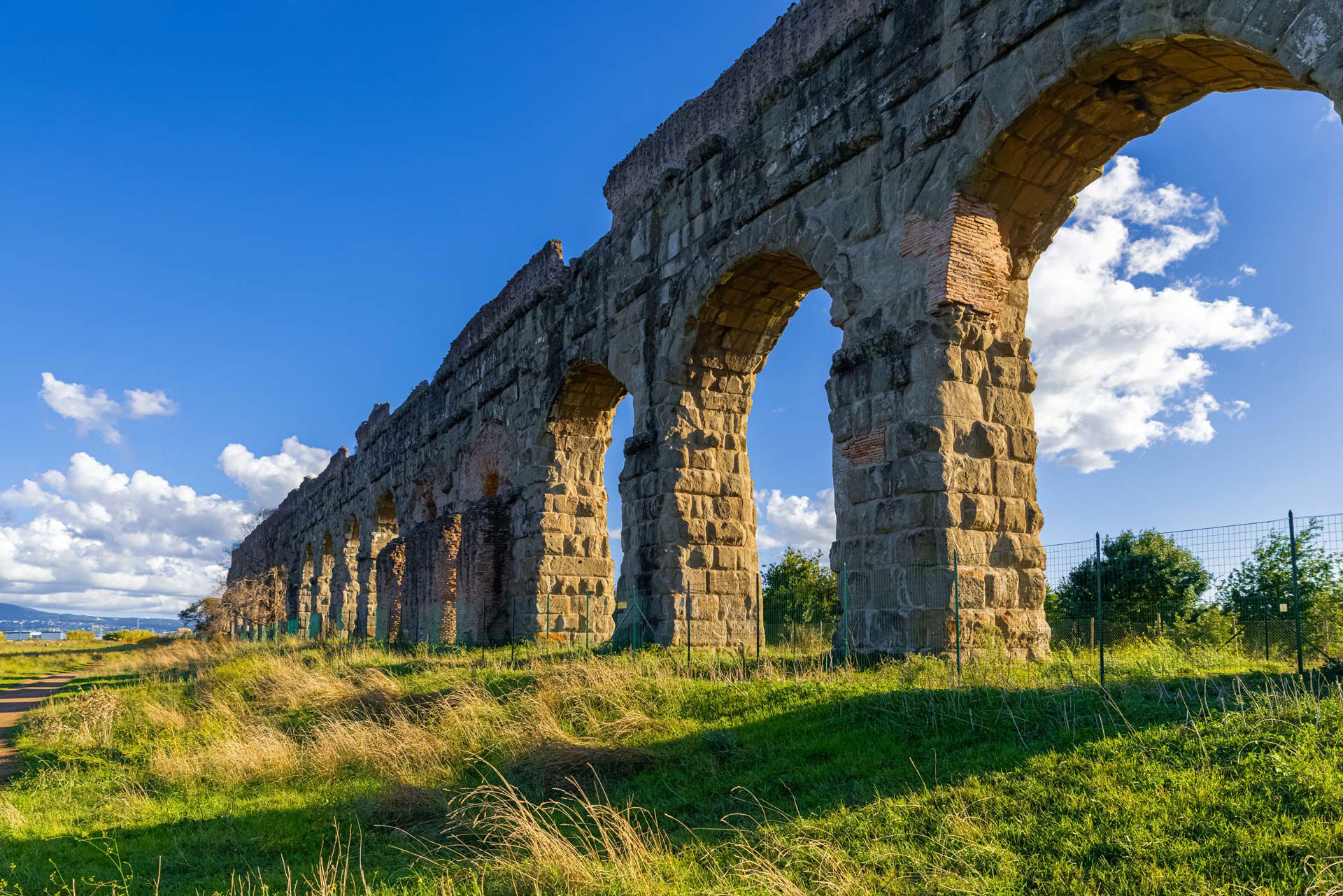
Appia Antica Archaeological Park

The Appia Antica Archaeological Park is an institution that encompasses museums and sites of significant national interest.

By following the trails, you can enjoy pleasant walks surrounded by nature and steeped in history.
Thanks to the patrician villas, aqueducts, and catacombs, you can delve into 2,300 years of history.

Surroundings 8
Special offers
Discover all the offers